
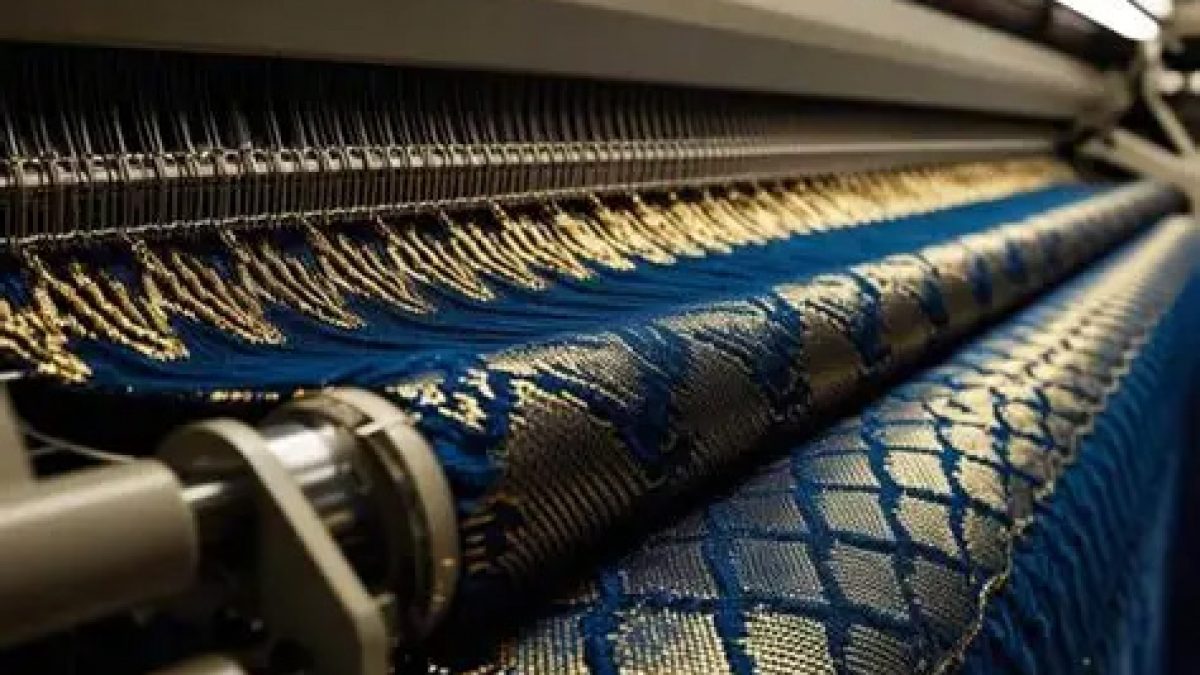
Jacquard fabric is a woven textile in which the pattern is created on the loom by lifting individual warp threads, rather than being printed or embroidered on afterwards. The design is part of the fabric itself — it cannot wash off or rub away. The technique is named after Joseph Marie Jacquard, who developed the first practical pattern-controlled loom in 1804. Today jacquard weaving is used in everything from apparel and home textiles to luxury brocade.
##
## How does jacquard weaving work?
In a plain weave, warp (lengthwise) threads move together in a simple over-under sequence. A jacquard loom is different: each warp thread can be raised or lowered independently using a harness and a hook-and-needle mechanism — traditionally controlled by punched cards, now by computer. This gives full control over every intersection of warp and weft.
- The design is programmed into the loom as a pattern file.
- Harness cords lift exactly the warp threads needed for each pick of weft.
- The weft passes through and locks the motif into the structure.
- The same file reproduces the design consistently along the whole roll.
Because the motif is structural, jacquard fabric is reversible in construction (the back shows the inverse of the pattern) and far more durable than a printed cloth.
Jacquard vs printed, dobby and brocade fabric
Buyers often confuse these terms. Here is the practical difference:
- Jacquard vs printed fabric:​ Printed fabric has a design applied to the surface with ink or pigment. Jacquard has the design woven in. Printing is cheaper and allows photo-realistic images; jacquard is more durable, textured and premium.
- Jacquard vs dobby:​ Dobby is also a woven pattern, but small and geometric (dots, stripes, diamonds), because dobby looms control groups of threads. Jacquard controls individual threads, so it produces large, detailed, figurative motifs.
- Jacquard vs brocade:​ Brocade is a heavier, often metallic-thread type of jacquard used for upholstery and formal wear. All brocade is jacquard, but not all jacquard is brocade.
Main types of jacquard fabric
Different fibres and finishes create very different jacquards. The most common families are:
- Cationic jacquard:​ Cationic-dyeable polyester blended with regular polyester gives a two-tone heather effect from one dye bath. A favourite for resort wear and casual shirts. See cationic jacquard fabric.
- Cut flower jacquard:​ Extra floating yarns are cut after weaving to form raised, three-dimensional floral motifs. See cut flower jacquard fabric.
- Brocade / shimmer jacquard:​ Heavier, lustrous cloth with metallic or high-sheen yarns for occasion wear and interiors. See shimmer fog brocade.
- 4-way stretch jacquard:​ Spandex blended in for stretch and recovery, used in activewear, fitted dresses and uniforms. See 4-way stretch jacquard.
- Satin jacquard lining:​ Smooth glossy face with a matte jacquard motif, a standard for linings and occasionwear. See satin jacquard lining.
- SPH imitation acetate:​ A cost-effective acetate look with soft drape and subtle sheen. See SPH imitation acetate.
Browse the full jacquard fabric range for base cloths, widths and available patterns.
How to specify jacquard fabric: GSM, yarn and width
Four details remove most of the guesswork when you enquiry a mill:
- GSM (weight):​ Light shirt and dress jacquards are typically 180–260 GSM; heavier jacket, trouser and home-textile qualities run 280–450 GSM.
- Composition:​ Polyester, viscose, nylon, cotton or a blend — the fibre decides hand feel, dye method and price.
- Width:​ Most apparel jacquards are woven at 150 cm (58–60 inches); confirm usable width after finishing.
- Pattern repeat and colour:​ Supply artwork or a physical swatch, plus Pantone references for each colour.
Always approve a lab dip and a hand-loom sample before bulk production. Pattern scale and colour can shift noticeably between a small sample and a full dye lot.
Where is jacquard fabric used?
- Apparel:​ Dresses, shirts, skirts, jackets, occasionwear and resort collections.
- Home textiles:​ Curtains, upholstery, cushions and bedspreads.
- Accessories:​ Bags, ties, scarves and footwear uppers.
Because the pattern is woven rather than printed, jacquard holds up well to repeated washing and wear — a key reason brands specify it for premium lines. See our applications page for more.
Choosing a jacquard fabric supplier
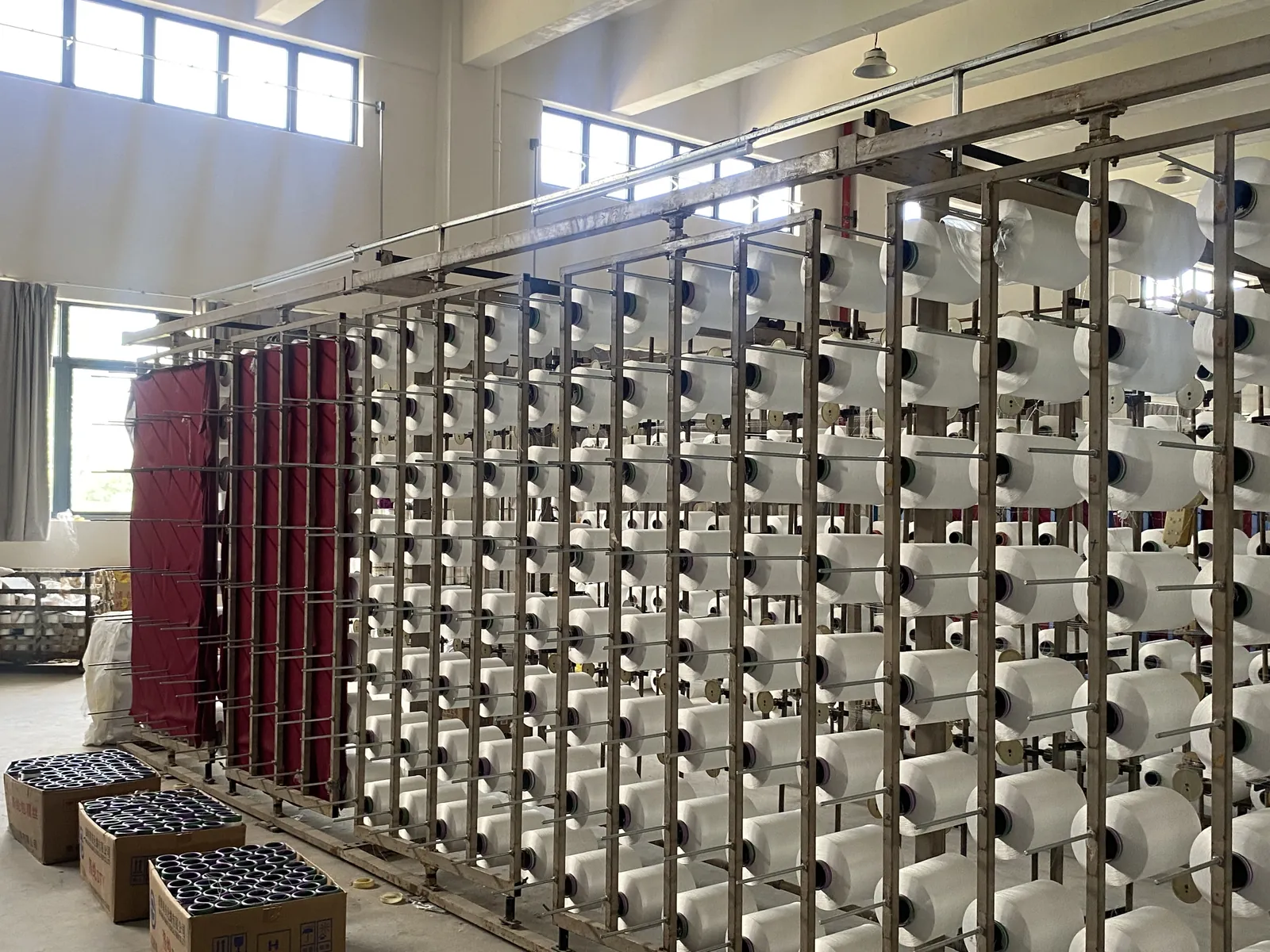
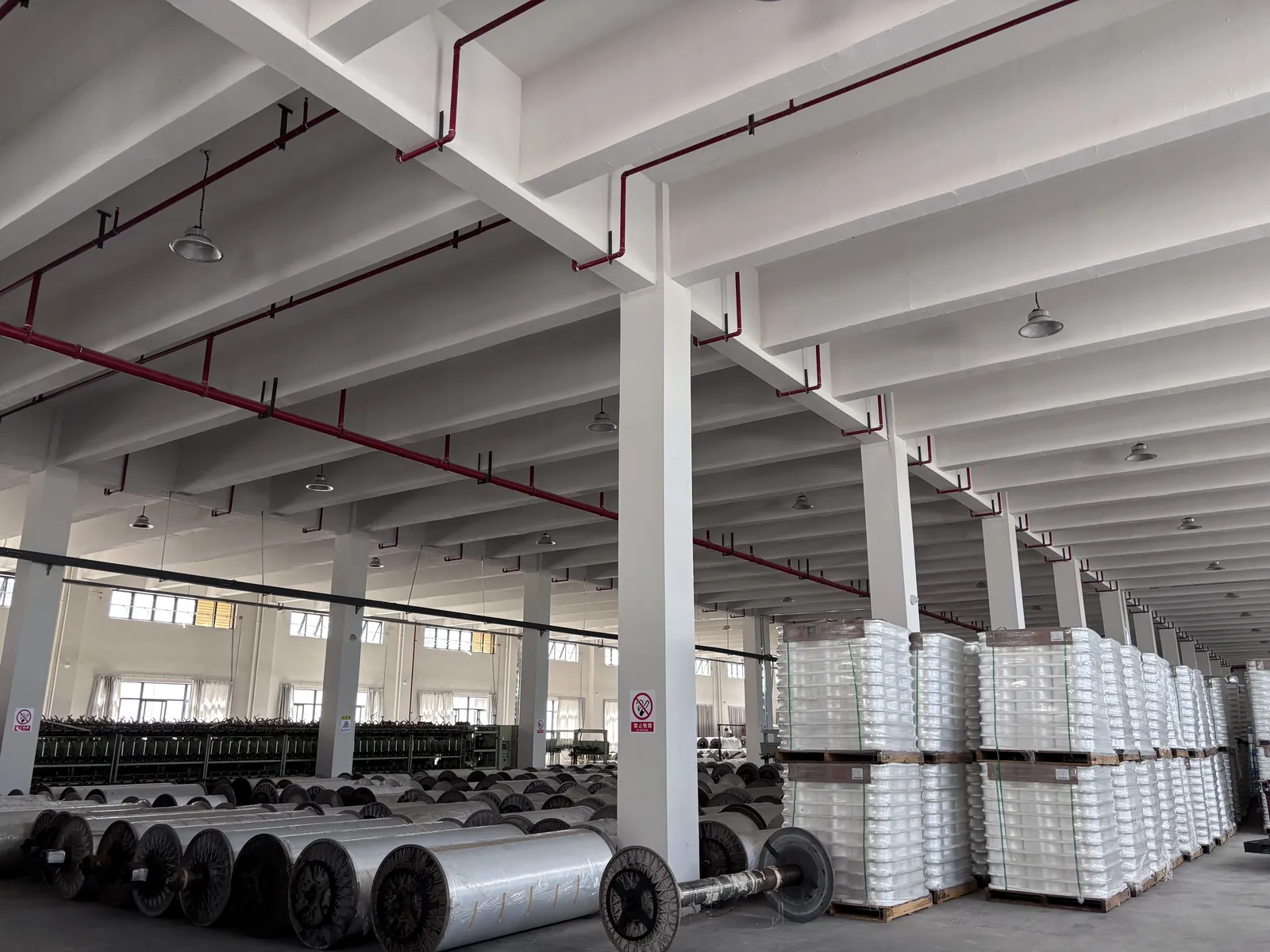
A reliable mill should show you the whole chain in-house: warping, weaving, dyeing and inspection. Ask about minimum order quantity, sample lead time, lab-dip policy and whether the pattern can be developed exclusively for your brand. At XICHAORUIPIN TEXTILE we weave jacquard in Changxing, Zhejiang, run our own manufacturing and inspection, and support OEM development with free A4 swatches.
Frequently asked questions
What is jacquard fabric?
Jacquard fabric is a woven textile whose pattern is created on the loom by lifting individual warp threads, not printed on the surface. Because the design is part of the weave, it cannot wash off or rub away.
Is jacquard fabric the same as brocade?
Brocade is a heavier, often metallic-thread subtype of jacquard. All brocade is jacquard fabric, but jacquard also includes lighter apparel cloths such as cationic, stretch and satin jacquard.
What GSM should I choose for jacquard fabric?
For shirts and dresses, 180–260 GSM is typical. Jackets, trousers and home textiles usually use 280–450 GSM. Always confirm GSM with your supplier before bulk production.
Is jacquard fabric durable?
Yes. Since the pattern is woven into the structure rather than printed on top, jacquard resists washing and abrasion far better than printed fabric and keeps its appearance over time.
Can you make a custom jacquard pattern?
Yes. Send your artwork or a swatch and we develop the weave structure and colours exclusively for your brand, with a lab dip and hand-loom sample for approval before bulk.
What is the MOQ for custom jacquard fabric?
MOQ depends on yarn, colour and pattern. Tell us your target GSM and first-run quantity and we will confirm a workable minimum and quote per style.
Need a jacquard fabric supplier?
Tell us your pattern, colour and GSM target — we send free A4 swatches and quote MOQ per style.
Request a quote Explore fabrics